Posts

Gene Technology/ Genetic Engineering
Image
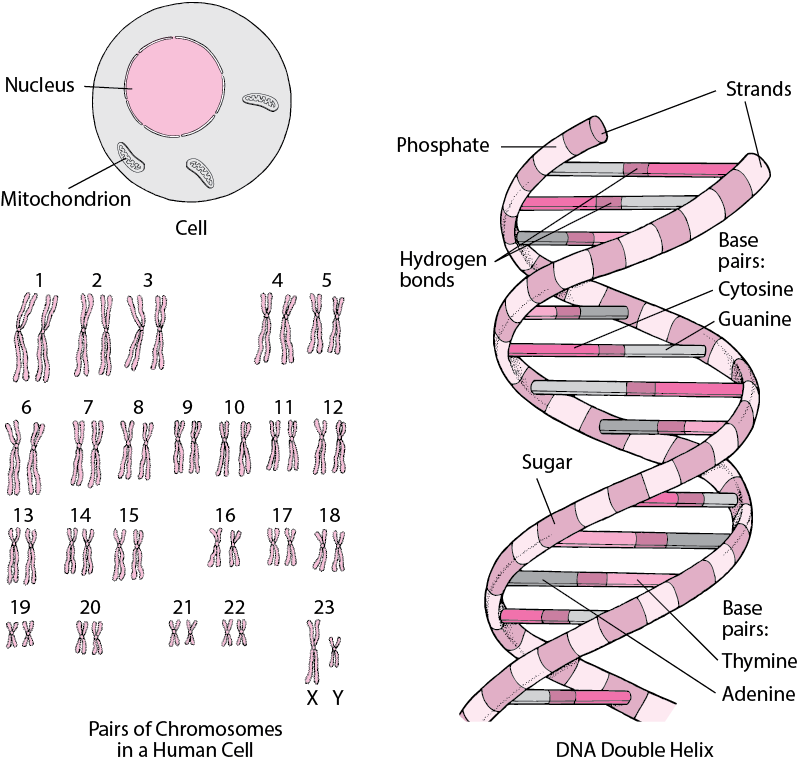
  Background The term 'genetic engineering' was first coined by Jack Williamson in his science fiction novel Dragon's Island, published in 1951. The double-helix structure of Deoxyribonucleic acid (DNA) molecules is confirmed by James Watson and Francis Crick in 1953. In 1972 Paul Berg used restriction enzymes and DNA ligases to create the first recombinant DNA molecules.  The process of transferring genes from one organism to another, was first accomplished by Herbert Boyer and Stanley Cohen in 1973. The first genetically modified organism to be created was a bacterium, in 1973. In 1974, the same techniques were applied to mice. In 1994 the first genetically modified foods were made available. Key Terminology Gene Technology It is the application of the gene technique called genetic engineering, it includes self-cloning and deletion as well as cell hybridization. Genetic Engineering It is a technique by which heritable material, which does not usually occur or will n...

India's Scientific and Technological Progress

Image
  White Revolution The White Revolution in India, also known as Operation Flood was launched in the 1970s to make India self dependent in milk production. Dr Verghese Kurien is known as the father of The White Revolution in India. Currently India is the world's largest milk producer. At the time of the independence, India was not only importing food grains but also milk products like baby food, butter and cheese. In 1955, India was importing 500 tonnes of butter and 3000 tonnes of baby food from dairy companies in Europe.  Operation Flood Operation flood was launched in 1970, it is one of the world's largest rural development programmes. This program has helped in the development of dairy farmers. The objectives of the program included: Increase milk production ("a flood of milk") Augment rural incomes Reasonable prices for consumers Cooperative movement : The bedrock of Operation Flood has been village milk producers' cooperatives, which procure milk and provid...

India's Scientific and Technological Progress

Image
Introduction As India is on the verge of completing 75 years of independence, several scientific and technological developments have touched the lives of common people in the last seven decades.  Developments in communications and information technology have enabled timely forecast of weather and early warning of cyclones, saving thousands of lives. But during these years scientific research combined with favorable public policies - has made India self-sufficient in production of food, milk, fruits and vegetables, drugs and vaccines. All this has had great social and economic impacts and has influenced directly and indirectly the life of ordinary Indians. Agriculture and Rural Development Agriculture has always been a lifeline for India. From ancient times, agriculture has played a vital role in India’s growth and can be traced back to Indus Valley Civilization. Rich fertile land, plenty of water for irrigation, and domestication of crops and animals were some of the key factors fo...

Vaccine Nationalism

Image
What is vaccine nationalism? When a country manages to secure doses of vaccines for its own citizens or residents and prioritises its own domestic markets before they are made available in other countries it is known as ‘vaccine nationalism’ .  This is done through pre-purchase agreements between a government and a vaccine manufacturer. For example , the United States, the United Kingdom, Japan, and the European Union have spent tens of billions of dollars on deals with vaccine front runners such as Pfizer Inc, Johnson & Johnson and AstraZeneca Plc even before their effectiveness is proven. Pre-purchase agreements: It is an agreement where, even before the end of final stage human trials or regulatory approval, several wealthier countries enter into pre-purchase agreements with vaccine manufacturers. History of Vaccine Nationalism The process of hoarding vaccines can be traced back to a similar situation that happened in 2009 during the H1N1 flu pandemic. Australia, the first ...